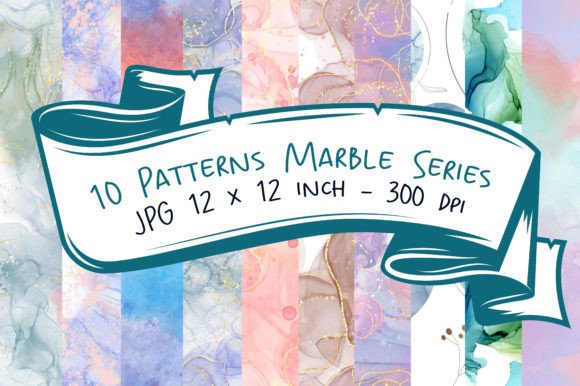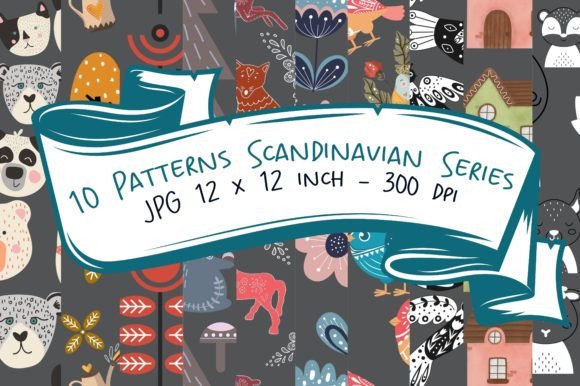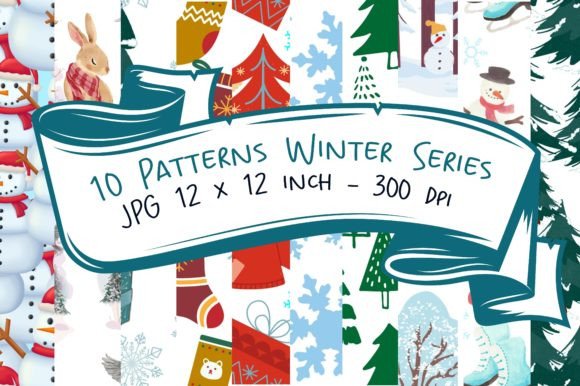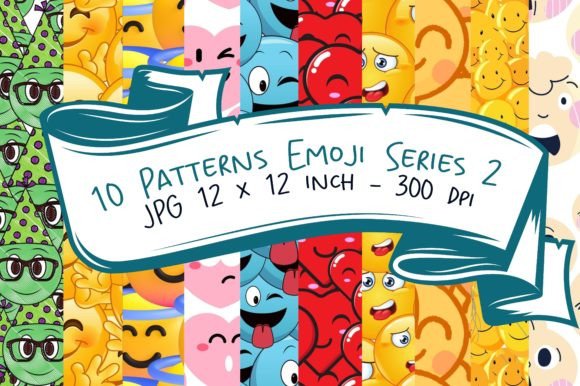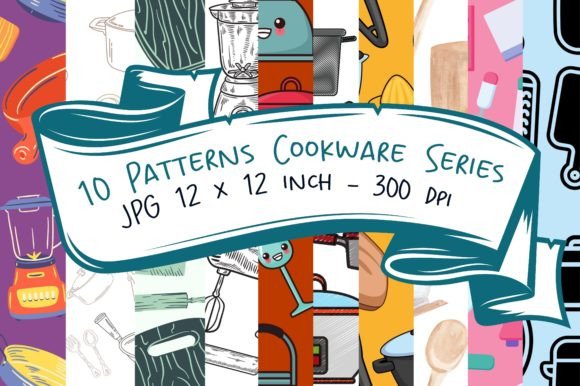
Bundle Patterns Cookware Series
If you're designing for real people—not just pixels on a screen—you know how much time gets lost hunting for cohesive, high-quality patterns that actually work across formats. The Bundle Patterns Cookware Series solves that. It’s not another generic clipart pack or overused stock texture set. It’s a purpose-built collection of 10 original digital paper patterns inspired by vintage cookware aesthetics—think enamel speckles, retro stovetop grids, ceramic glaze textures, and subtle utensil motifs—all designed to hold up visually and functionally whether printed on kraft paper or scaled down for a nail wrap.
What Makes These Patterns Stand Out
Each pattern in the Bundle Patterns Cookware Series is delivered as a 12 × 12 inch JPG at 300 dpi (3600 × 3600 px), meaning it prints crisp at full size and resamples cleanly when reduced for small-format applications. There’s no dithering, no compression artifacts, and no hidden watermarks—just clean, consistent repeats optimized for both digital and physical output.
Unlike many “vintage” pattern sets that rely on heavy noise or low-contrast gradients, these designs balance authenticity with usability. You’ll find intentional negative space, clear focal rhythm, and color palettes grounded in mid-century kitchen palettes—muted sage, warm terracotta, creamy ivory, soft steel blue—but all built with RGB/CMYK flexibility in mind. That means your T-shirt print won’t shift unexpectedly on fabric, and your website background won’t wash out on mobile screens.
Where These Patterns Actually Get Used
Designers don’t buy patterns—they buy solutions. Here’s where the Bundle Patterns Cookware Series delivers tangible value:
- Small business branding: A local bakery uses the enamel-speckle pattern as a subtle background for their Instagram story templates—reinforcing warmth and handmade quality without competing with product photos.
- Educational materials: A culinary instructor layers the utensil-repeat pattern behind recipe cards in Canva, adding visual continuity across lesson handouts while keeping text fully legible.
- Digital product design: A freelance UI designer applies the stovetop-grid motif as a restrained border element in a food-planning app dashboard—adding thematic resonance without sacrificing interface clarity.
- Print-on-demand workflows: An Etsy seller uses the ceramic-glaze pattern across multiple SKUs—tote bags, phone cases, and magnets—maintaining brand cohesion while adapting scale and cropping per item.
- Paper craft projects: A scrapbooker cuts the floral-kettle motif into layered die-cut elements for a wedding album cover, using the 300 dpi resolution to ensure fine detail stays sharp even after scoring and folding.
Why Resolution and Format Matter More Than You Think
That 3600 × 3600 px dimension isn’t arbitrary. It’s calibrated for real-world constraints: most home printers max out around 1700–2400 px width for optimal quality; commercial print houses often request minimums of 3000 px at final output size; and digital platforms like Cricut Design Space or Adobe Express perform better with square, high-res assets that scale predictably.
Using a lower-resolution file forces compromises—blurring when enlarged, pixelation on retina displays, or awkward tiling when the repeat doesn’t align cleanly. The Bundle Patterns Cookware Series avoids all three. Each pattern is tested across common use cases: stretched full-bleed on an 8.5 × 11 invitation, tiled at 25% opacity for a website overlay, cropped tightly for a bottle cap label, and converted to PNG with transparency for layered digital albums.
Realistic Tips for Getting the Most Out of This Bundle
You don’t need to be a Photoshop expert to use these well—but a few practical habits make a measurable difference:
- Start with your end use. If designing for print, open the file in your layout software at 100% zoom and check for any subtle banding or moiré—especially in the grid-based patterns. These are rare here, but always verify.
- Adjust opacity before contrast. Many users boost contrast to “make it pop,” only to lose the subtlety that makes these patterns feel tactile. Try lowering opacity to 70–85% first—it often adds depth without flattening texture.
- Test color shifts early. The warm-toned patterns look rich on screen but can mute slightly on uncoated paper. Soft proof in CMYK if printing commercially, or run a test swatch on your target substrate.
- Layer thoughtfully. These aren’t “background-only” patterns. Try placing the kettle-outline motif beneath bold typography using Multiply blend mode—it creates natural shadow-like definition without extra shadows.
Beyond Aesthetics: How This Bundle Supports Your Workflow
Time saved is revenue earned—especially for freelancers juggling five clients or educators prepping weekly materials. With the Bundle Patterns Cookware Series, you skip the hours spent sourcing, editing, licensing, and testing patterns from disparate sources. Everything is pre-aligned, pre-tested, and pre-licensed for both personal and commercial use—including resale on physical goods (no attribution required).
More importantly, it reduces decision fatigue. When you’re choosing between ten distinct yet harmonized options—not 100 similar-looking downloads—you spend less time comparing and more time creating. That consistency also builds trust: repeat customers recognize your visual language faster when your packaging, social posts, and email headers share underlying texture logic—even if they never consciously notice it.
A Note on Intentional Design Choices
These aren’t “trend-chasing” patterns. They avoid micro-trends like hyper-saturation or aggressive glitch effects. Instead, they lean into quiet confidence—the kind that reads as thoughtful, not trendy. That makes them durable across seasons and markets. A café owner launching in spring can use the same pattern set for holiday merch without feeling off-brand. A blogger documenting kitchen renovations can apply the same motif to Pinterest pins, printable checklists, and podcast cover art—creating continuity without repetition.
The Bundle Patterns Cookware Series works because it respects your audience’s intelligence. It doesn’t shout. It supports. It integrates. And it does so without asking you to compromise on quality, flexibility, or creative control.