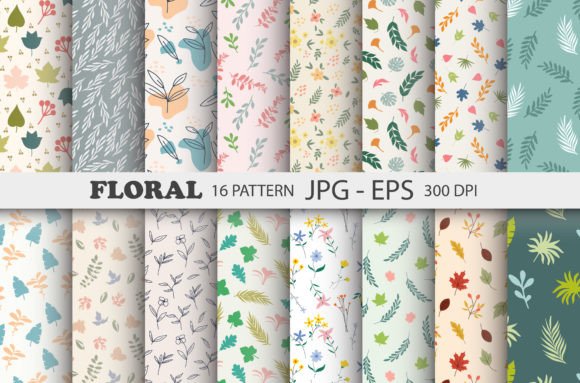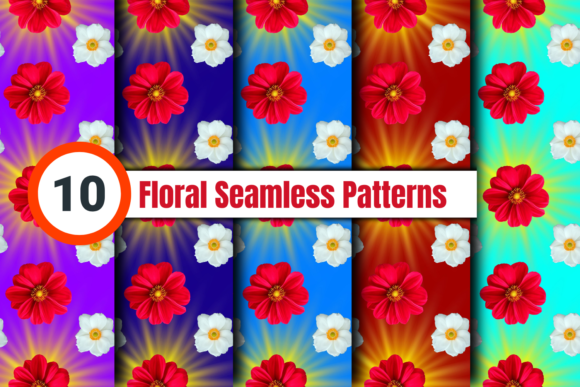
Floral Seamless Patterns for Backgrounds
Floral seamless patterns for backgrounds are meticulously designed, repeatable digital motifs that blend botanical elegance with technical precision—enabling smooth, edge-to-edge coverage across any surface. Unlike standard floral graphics that show visible seams or awkward repeats, these patterns tile infinitely without gaps, misalignments, or visual breaks. This makes them indispensable for creators who need professional-grade visuals that scale effortlessly—from a tiny social media banner to a full-wall mural or luxury gift wrap.
Why Seamless Floral Patterns Solve Real Design Challenges
Many designers, small business owners, and crafters face recurring hurdles: inconsistent tiling in DIY backgrounds, pixelation when resizing, limited file format options, or time spent manually editing repeats. Others struggle to find floral designs that feel fresh—not overly ornate, not too minimal—but balanced, versatile, and print-ready. These aren’t just aesthetic preferences; they’re functional roadblocks that delay projects, increase revision cycles, and compromise brand consistency.
That’s where a thoughtfully curated pack of Floral Seamless Patterns for Backgrounds delivers tangible relief. It removes guesswork from pattern selection and eliminates the technical friction of creating or adapting seamless repeats yourself—freeing you to focus on creativity, messaging, and execution.
What’s Inside the Pack—and Why It Matters
This collection includes 10 high-quality floral seamless patterns, each delivered in three essential formats: JPG (for fast web use), PNG (with transparent background for layered design), and high-resolution printable PDF (optimized for commercial and home printing). Every pattern is sized at 5000×5000 pixels, ensuring crisp detail whether you’re scaling down for a mobile app background or enlarging for a 24″×36″ poster.
Crucially, these aren’t generic clipart florals. Each pattern balances proportion, spacing, and botanical authenticity—featuring soft peonies, delicate vines, modern eucalyptus sprigs, or timeless rose motifs—designed to repeat invisibly. The result? A cohesive, polished look that supports your content instead of competing with it.
Practical Applications You Can Start Using Today
Here’s how different users apply Floral Seamless Patterns for Backgrounds to solve real-world needs:
- Greeting card designers use the PNG files to overlay text and illustrations—keeping the floral motif subtle beneath bold typography or hand-drawn elements.
- Small-batch stationery makers print the PDFs directly onto premium paper for custom gift wrap, thank-you cards, or wedding suite envelopes—no color shifts or resolution loss.
- Web and UI designers integrate the JPG versions as CSS background images or hero section fills—ensuring fast load times and responsive tiling across devices.
- Print-on-demand entrepreneurs upload the high-res files to platforms like Redbubble or Printful, applying them to notebooks, phone cases, or tote bags—confident that repeats stay clean at any product size.
- Teachers, event planners, and nonprofit staff adapt the patterns for digital invitations, Zoom virtual backdrops, or printed programs—adding warmth and polish without hiring a designer.
Getting the Most Out of Your Floral Seamless Patterns
To maximize value, start by matching pattern style to your project’s tone. A loose, watercolor-style floral works beautifully for artisanal brands or baby showers; a tighter, geometric repeat suits modern corporate reports or minimalist branding. Don’t assume “floral” means “fussy”—many of these patterns lean into negative space and restrained color palettes, making them surprisingly versatile.
When preparing for print, always use the PDF version—it embeds CMYK color profiles and maintains vector-friendly raster clarity. For web use, compress JPGs using tools like TinyPNG (without sacrificing the 5000×5000 base resolution) to balance quality and performance. And if you’re layering text over a busy floral background, try adding a subtle semi-transparent overlay or increasing letter spacing for improved legibility.
Remember: seamless doesn’t mean static. You can recolor patterns in Photoshop or Illustrator using adjustment layers or blending modes—turning a blush-and-cream rose motif into sage-and-ivory for a spring collection, or deep navy-and-gold for holiday branding. Because the files are high-resolution and cleanly constructed, edits retain integrity.
Different Users, Different Approaches—Same Reliable Foundation
A freelance graphic designer might batch-import all 10 patterns into Adobe Creative Cloud Libraries for one-click access across InDesign, Photoshop, and XD. A hobbyist crafter may open just one PNG in Canva, resize it to fit a 8.5″×11″ printable sheet, and run it through their inkjet printer for next-day gift wrap. A marketing manager could set a light floral pattern as the background for an email newsletter header—using the JPG version to keep load time under 150KB.
The flexibility lies not just in the files themselves, but in how intentionally they’ve been built: no hidden watermarks, no licensing restrictions for commercial use, and no subscription required. You own them—immediately, completely, and ready to deploy.
Final Thoughts: Quality That Scales With Your Ambition
Great design resources don’t shout—they support. Floral Seamless Patterns for Backgrounds succeed because they meet creators where they are: whether you’re launching your first Etsy shop, refreshing a decade-old website, or planning a family celebration. They offer reliability without rigidity, beauty without bloat, and professionalism without complexity.
Instead of spending hours searching for “seamless floral background free download” only to hit dead links, blurry previews, or restrictive licenses—you get ten field-tested, production-ready patterns. No upsells. No learning curve. Just beautiful, functional, floral design assets that work as hard as you do.
If your goal is to create more—faster, cleaner, and with greater confidence—this isn’t just another pattern pack. It’s quiet infrastructure for your creative process. And sometimes, the most powerful tools are the ones you forget you’re using—because they simply work.