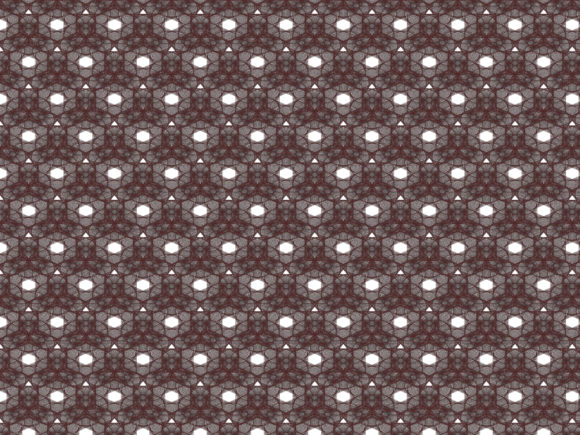
Dark Brown Background Patterns for Professional Graphic Design
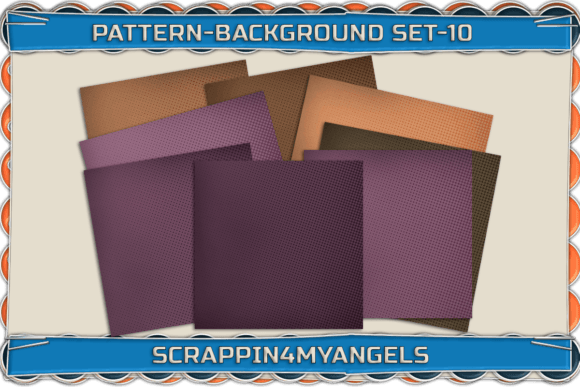
Dark brown background patterns are high-resolution, repeatable graphic elements designed specifically for professional use across print and digital media. These patterns feature rich, versatile dark brown tones—ranging from deep chocolate and espresso to warm umber and charcoal-infused browns—and are built with precision geometry, organic textures, or abstract arrangements of shape, line, and form. Each pattern is delivered at 18,000 px × 18,000 px resolution and 300 ppi, ensuring crisp output for large-format applications such as posters, packaging, labels, and wall murals.
Graphic designers seeking reliable, production-ready assets often evaluate Dark Brown Background Patterns for their ability to support visual hierarchy, convey sophistication, and integrate seamlessly into brand systems. Unlike generic stock backgrounds, these patterns are engineered with design workflows in mind: they tile without visible seams, maintain neutrality without sacrificing character, and scale predictably across diverse substrates—from matte paper labels to woven textile surfaces.
Why Consider Dark Brown Background Patterns?
Designers turn to dark brown background patterns when they need a balance of subtlety and substance. Brown, especially in darker values, carries associations of earthiness, stability, and timelessness—qualities that resonate well in premium food packaging, artisanal product labels, editorial poster design, and luxury scrapbooking materials. The darkness provides strong contrast for light-colored typography and iconography, while the patterned surface adds tactile depth without overwhelming foreground content.
These patterns also serve functional roles beyond aesthetics. In package design, for example, a finely textured dark brown background can help mask minor printing inconsistencies on uncoated board. In label design, subtle geometric repeats support brand recognition through repetition across SKUs. For wallpaper or large-scale poster backdrops, the 18,000 px dimension ensures clarity even at 3–5 meter widths—critical for retail environments or exhibition spaces.
Key Benefits and Practical Advantages
One primary benefit is consistency across media. Because each pattern is supplied at 300 ppi and full-size, designers avoid upscaling artifacts or interpolation loss when adapting files for different outputs. This eliminates guesswork in prepress and reduces revision cycles during proofing.
Another advantage lies in versatility of application. A single dark brown pattern may function equally well as:
- A base layer for embossed foil stamping on cosmetic packaging;
- A subtle backdrop behind hand-lettered quotes in poster design;
- A repeating motif on fabric-based gift wrap or textile surface design;
- A grounded, neutral field for layered collage elements in digital scrapbooking;
- A non-distracting background for QR code integration on retail labels.
The abstract nature of many patterns—emphasizing shape, texture, and rhythm over literal imagery—also supports accessibility and cross-cultural usability. There’s no risk of unintended symbolism or regional misinterpretation common with figurative motifs.
Tradeoffs and Realistic Expectations
While highly functional, Dark Brown Background Patterns aren’t universally appropriate. Their density and tone make them less suitable for small-format applications like business cards or app UI backgrounds, where legibility and screen brightness constraints limit effectiveness. Similarly, in contexts requiring high color vibrancy—such as children’s product packaging or festival posters—they may visually recede rather than energize.
Designers should also consider how lighting conditions affect perception. On matte paper, dark brown patterns retain richness; on glossy substrates, they may appear more saturated or reflective, potentially altering perceived contrast. Soft proofing under target viewing conditions remains essential before final output.
Additionally, while the 18,000 px × 18,000 px size offers flexibility, it demands sufficient system memory and software capability. Older versions of Adobe Photoshop or vector-based tools may require tiling or proxy workflows—so verifying compatibility with existing hardware and software stacks is a practical prerequisite.
Situations Where Dark Brown Background Patterns Are a Strong Fit
These patterns excel in projects where tonal cohesion, material authenticity, and print fidelity are priorities. Examples include:
- Premium food and beverage packaging: Supporting natural, organic, or craft positioning through warmth and tactility;
- Luxury skincare or apothecary labels: Providing understated elegance that complements minimalist typography;
- Exhibition or gallery posters: Acting as a stable, non-competitive backdrop for photographic or typographic focal points;
- Branded stationery suites: Offering continuity across letterhead, envelopes, and notecards without visual fatigue;
- Digital scrapbooking kits: Supplying cohesive, printable background sheets that hold ink well and accept mixed-media layering.
When Alternatives May Be Worth Considering
Designers working under tight deadlines or with limited technical resources might find lighter-weight alternatives more efficient. For instance, SVG-based seamless patterns offer smaller file sizes and easier scaling in web-first projects—but lack the 300 ppi readiness needed for offset printing.
If color accuracy across devices is critical—and brand guidelines mandate strict PMS or CMYK matching—designers should verify whether the supplied RGB files include embedded ICC profiles or accompanying spot-color separations. Absent those, custom color conversion may be necessary, adding steps to the workflow.
For projects emphasizing motion or interactivity (e.g., animated digital signage or interactive packaging), static raster patterns won’t suffice. In those cases, parametric pattern generators or After Effects-compatible assets would better meet functional needs—even if they sacrifice the same level of fine-grained texture control.
Making an Informed Decision
To determine whether Dark Brown Background Patterns align with your goals, begin by mapping your intended output against three criteria: scale, substrate, and visual role. Ask yourself:
- Will the pattern be viewed at close range (e.g., on a 4” × 6” label) or from a distance (e.g., on a 2 m × 3 m poster)?
- Is it printed on coated paper, kraft board, fabric, or applied digitally to a website or app interface?
- Does it serve as a dominant visual element—or strictly as a supporting layer beneath other content?
If your answers point toward large-scale physical output, natural or textured substrates, and a supporting (rather than dominant) role, then Dark Brown Background Patterns are likely well matched. If instead you prioritize adaptability across digital platforms, rapid iteration, or strict color-system compliance, evaluating complementary options—including customizable vector tiles or calibrated CMYK pattern libraries—may yield better long-term efficiency.
Ultimately, the value of Dark Brown Background Patterns lies not in novelty but in reliability: they deliver predictable performance where it matters most—in final production. For designers who regularly move between package, label, poster, and surface design disciplines, having a curated set of rigorously tested, resolution-optimized brown-toned patterns can reduce asset sourcing time and improve output consistency across client projects.