Pattern, Patterns, Patterns for Kids, Design
If you've ever spent time designing learning materials, crafting kids’ apparel, building an educational app, or launching a children’s brand—you know how much weight a single background pattern carries. Pattern, patterns, patterns for Kids, desig isn’t just a catchy phrase—it’s a high-fidelity, purpose-built visual resource built for creators who need reliability, flexibility, and child-friendly charm—without compromise.
What Exactly Is This Pattern Resource?
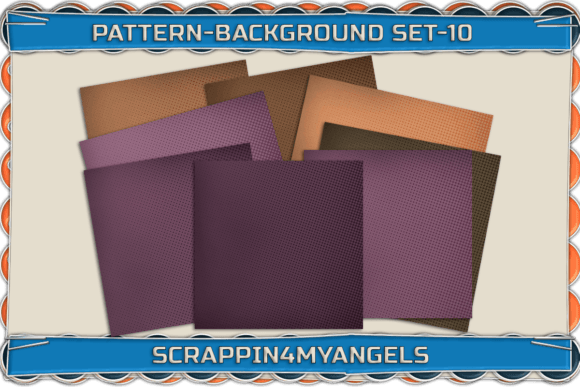
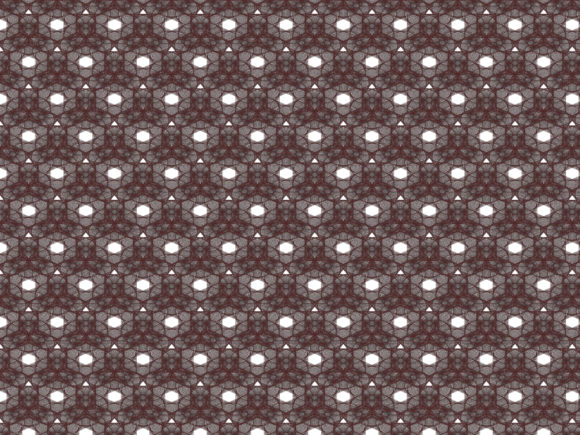
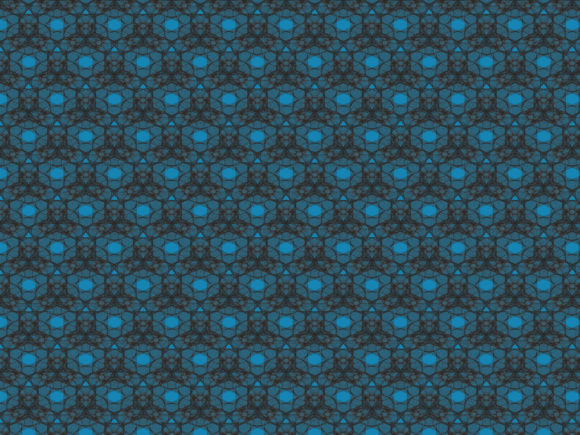
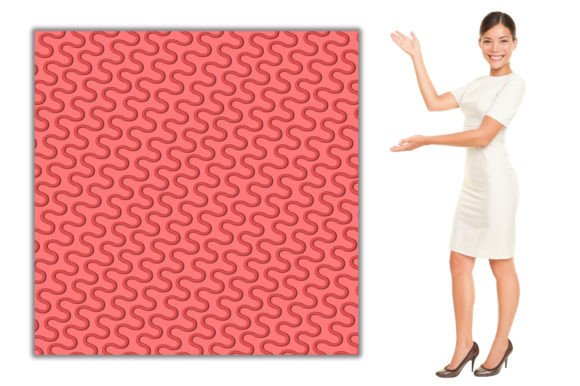
At its core, Pattern, patterns, patterns for Kids, desig is a premium, scalable background file designed specifically for applications where clarity, color harmony, and developmental appropriateness matter. It’s not a generic tile or clipart-style repeat—it’s a thoughtfully composed, high-resolution pattern that balances repetition with visual interest, using shapes, rhythm, and spacing calibrated for young eyes and adult workflows alike.
The deliverable is one crisp, editable JPG or PNG file—300 dpi, 10,000 × 10,000 pixels, RGB color model. That resolution means it holds up beautifully on print brochures, classroom posters, fabric mockups, and even large-format wall decals. And because it’s delivered at such a generous size, you can scale it up to 3× its original dimensions without visible pixelation—critical when adapting for different output channels.
Why Resolution and Format Matter More Than You Think
A lot of “kid-friendly” design assets cut corners on technical specs: low-res files, limited color depth, or non-editable layers. But in real-world use—say, printing a 24" × 36" classroom banner or exporting for a Shopify product mockup—those shortcuts become bottlenecks. With Pattern, patterns, patterns for Kids, desig, the 300 dpi resolution ensures clean ink coverage on physical media, while the RGB model supports vibrant digital displays without conversion surprises.
JPG or PNG? Both are practical—but choose PNG if you need transparency (e.g., overlaying the pattern onto illustrations or layered UI elements). JPG works perfectly for full-bleed backgrounds in presentations, newsletters, or social media banners where file size matters slightly more.
Where This Pattern Fits Into Real Projects
This isn’t just wallpaper. It’s infrastructure—for creativity, communication, and consistency.
- Educators: Use it as a subtle backdrop for printable worksheets, flashcards, or interactive PDFs. The rhythmic repetition supports visual tracking practice for early readers—and the clean design avoids cognitive overload.
- Children’s Publishers: Integrate it into cover templates, interior chapter dividers, or activity book headers. Its balanced density gives breathing room for typography while reinforcing brand tone.
- App & Web Designers: Apply it as a soft background layer behind buttons or cards in early-learning apps. At full scale, it adds warmth without competing with interface elements.
- Small-Batch Makers: Print it on fabric for tote bags, bibs, or nursery decor. The 10K-pixel width allows seamless repeats across yardage—even on wide-format printers.
- Marketing Teams: Drop it into email headers, webinar slides, or Instagram Story templates for consistent, age-appropriate branding across touchpoints.
Design Strengths You’ll Actually Notice
It’s easy to overlook what makes a pattern *work*—until it doesn’t. What sets Pattern, patterns, patterns for Kids, desig apart is intentionality at every level:
- Developmentally tuned contrast: Not too bold, not too muted—just enough variation to hold attention without straining focus.
- Non-distracting rhythm: Repetition is predictable but never monotonous. Subtle shifts in spacing or orientation create gentle visual momentum.
- Neutral-yet-warm palette: Built in RGB for screen fidelity, but carefully chosen hues that convert cleanly to CMYK if needed later.
- Scalability baked in: No vector required—because at 10,000 × 10,000 pixels, raster quality meets professional print demands without extra software or conversion steps.
Practical Tips for Getting the Most Out of It
You don’t need Photoshop mastery to use this well—but a few grounded habits help avoid common pitfalls:
- Test before committing: Import the file into your actual workflow—InDesign, Canva, Figma, Illustrator—and zoom to 200%. Does the detail hold? Does it align smoothly when tiled? (Hint: at this resolution, seamless tiling is highly achievable with basic offset tools.)
- Respect context over decoration: A great pattern enhances—not replaces—content. If your text is small or light-colored, adjust brightness/contrast or add a subtle semi-transparent overlay to ensure legibility.
- Think beyond “background”: Flip it vertically or apply a 15° rotation for a fresh take on borders, dividers, or textured accents in presentations or packaging mockups.
- Keep licensing clear: Since this is a single-use, royalty-free file, it’s fine for client work, commercial products, or internal training—no attribution needed. Just confirm usage aligns with your platform’s export terms (e.g., some SaaS tools restrict high-res exports unless you’re on a pro plan).
When to Choose This Over Other Options
Free pattern libraries often sacrifice resolution, color accuracy, or developmental nuance. Custom illustration is powerful—but time-intensive and costly for tight deadlines. Stock vectors sometimes feel sterile or overly complex for younger audiences. Pattern, patterns, patterns for Kids, desig sits in the sweet spot: professional-grade output, immediate usability, and thoughtful design intent—all in one file.
It’s especially valuable when you need to move fast *without* sacrificing polish—like prepping a grant proposal with branded visuals, launching a new preschool curriculum, or refreshing an e-commerce store ahead of back-to-school season.
A Final Note on Consistency and Confidence
In creative work, consistency builds trust—whether you’re guiding a 5-year-old through letter recognition or presenting a new edtech tool to school administrators. Using a cohesive, high-quality pattern like Pattern, patterns, patterns for Kids, desig quietly reinforces professionalism, care, and attention to audience needs. It’s not flashy—but it’s reliable. It doesn’t shout—but it supports. And in the daily reality of building things that matter for kids, that kind of quiet strength is exactly what moves projects forward.