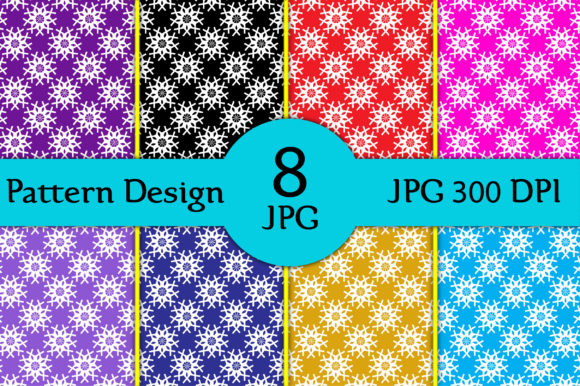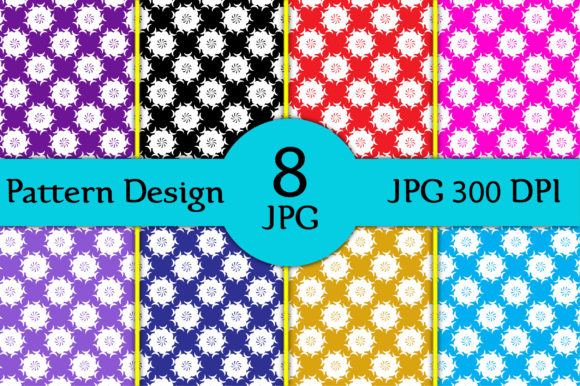
Seamless Patterns Designs V19
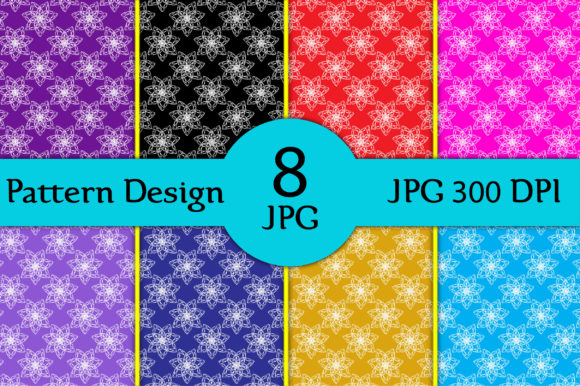
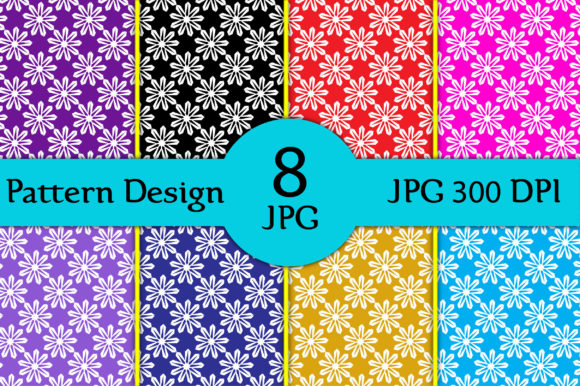
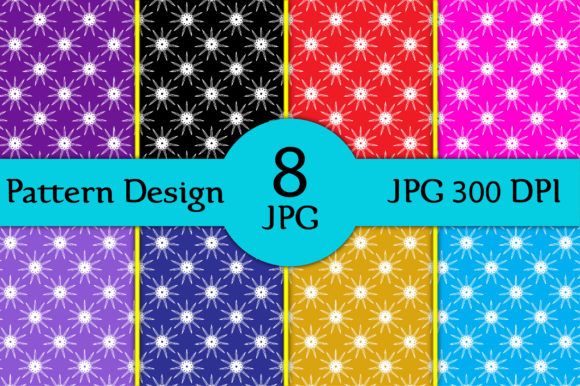
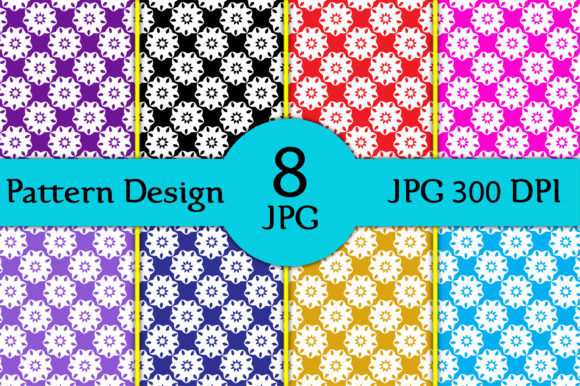
Seamless Patterns Designs V19 is a thoughtfully curated digital pattern collection built for real-world making—not just browsing. It’s not another generic pack of repeats; it’s 8 high-resolution, truly seamless designs optimized from the ground up for sublimation, fabric printing, and versatile product decoration. Each pattern delivers professional-grade consistency: 12×12 inches at 3600×3600 pixels, 300 dpi, JPG format, ready for immediate use in your workflow.
What sets this set apart isn’t just resolution or file count—it’s intentionality. Every pattern was tested across multiple substrates: polyester fabrics, ceramic mugs, cotton-blend tees (with appropriate pretreatment), pillow covers, vinyl decals, and even coated aluminum signs. They tile cleanly without visible seams, scale predictably, and retain clarity whether printed at 2 inches wide on a mug handle or stretched across a 60-inch table runner.
Why Sublimation Designers Reach for This Set
If you run a sublimation business—or are building one—consistency and speed matter. Seamless Patterns Designs V19 eliminates guesswork. No need to tweak alignment, adjust contrast for heat transfer, or rework repeats for bleed. These files arrive print-ready: RGB color profile, crisp edges, no transparency issues, and zero embedded layers or fonts that could break in RIP software.
Take the geometric lattice pattern, for example. Its balanced negative space ensures ink saturation stays even across curved mug surfaces. Or the organic watercolor-repeat variant—its soft transitions prevent banding on lower-end sublimation printers while still delivering rich tonal depth on premium presses. That kind of reliability saves time, reduces waste, and builds client trust.
More Than Just Fabric & Mugs
Yes, these patterns excel on pillows, t-shirts, and mugs—but their utility extends further. Educators use them as editable backgrounds for printable worksheets or classroom posters. Bloggers embed scaled-down versions into Canva templates for branded social media banners. Freelance surface designers import them into Adobe Illustrator to recolor, isolate motifs, or combine with hand-drawn elements for custom capsule collections.
Small business owners selling stationery integrate the patterns into sticker sheets and notebook covers—especially the subtle dot-grid and micro-floral variants, which add texture without overwhelming text. Crafters using Magic Crafter software layer them behind SVG cut files for layered vinyl projects, where the pattern shows through die-cut windows on tote bags or laptop sleeves.
Practical Ways to Adapt for Your Audience
- For apparel brands: Use the bolder, higher-contrast patterns (like the angular chevron or stylized leaf repeat) on performance wear—where visual impact matters at distance. Pair softer variants with minimalist branding for loungewear lines targeting wellness audiences.
- For educators: Crop sections into 4×4 inch tiles for flashcards or behavior charts. Adjust brightness slightly in free tools like Photopea to improve readability for neurodiverse learners—no design expertise required.
- For Etsy sellers: Combine two patterns from the set—one as base, one as overlay at 15–20% opacity—to create limited-edition variations without sourcing new assets. Document the combo in your listing (“Exclusive Dual-Pattern Finish”) to justify premium pricing.
- For content creators: Drop a pattern into your video thumbnail background at low opacity (10%) behind bold text. It adds visual interest without competing for attention—ideal for tutorial or craft-channel branding.
Keeping Results Clear, Consistent, and Original
High-quality source files only go so far—your execution determines the outcome. Here’s how to stay intentional:
- Test before scaling: Print a 4×4 inch swatch on your target material first. Sublimation behaves differently on 100% polyester vs. 65/35 blends—and what looks vibrant on screen may mute under heat and pressure.
- Respect the repeat unit: Don’t stretch patterns beyond 120% of original size unless you’ve verified sharpness at that scale. If enlarging for wall decals, open in Photoshop and resample using “Preserve Details 2.0” rather than Bicubic.
- Match pattern energy to purpose: Busy patterns distract from messaging—avoid them on product labels or safety signage. Reserve calmer repeats (e.g., fine line grids or spaced botanicals) for contexts requiring focus or calm, like yoga studio merch or pediatric clinic materials.
- Build a style guide—even a simple one: Note which pattern works best for which product type, preferred color adjustments per substrate, and typical turnaround time from file to finished item. Revisit it quarterly as your offerings evolve.
Seamless Patterns Designs V19 doesn’t replace your voice or vision—it strengthens your ability to deliver it consistently. Whether you’re launching your first sublimation side hustle or refreshing a decade-old print-on-demand catalog, these patterns serve as reliable, adaptable foundations—not creative constraints.
You don’t need more options. You need fewer distractions and better starting points. That’s why designers return to this set: because it removes friction between idea and output. The floral motif isn’t just “pretty”—it’s engineered to hold detail when printed on satin pillowcases. The abstract gradient repeat isn’t just “modern”—it’s calibrated to avoid posterization on ceramic mugs. Every pixel has purpose.
If you’ve hesitated to expand into fabric-based products because of pattern licensing concerns or technical uncertainty, this set removes both barriers. No attribution required. No commercial use restrictions. Just clean, capable files—and the quiet confidence that comes from knowing your foundation is solid.
Start small: pick one pattern, one product, one test run. Then build outward—not by adding complexity, but by deepening what already works.